AI Won't Save a Weak Brand. It Will Expose One Faster.
Every few months a new tool promises to make branding effortless. Generate a logo in seconds. Write a tagline on command. Spin up a full identity system before lunch. None of that is wrong, exactly — it’s just aimed at the wrong problem. The hard part of branding was never producing assets. It was deciding what the brand is actually for.

What AI is genuinely good at
Used well, AI collapses the distance between an idea and a version you can react to. That’s real value: faster first drafts, faster variations, faster ways to test a direction before committing budget to it. It’s also useful for the unglamorous parts — summarizing research, drafting the fifteenth version of a tagline so a team can argue about the sixteenth, or generating rough visual directions to react to instead of stare at a blank page.

What it can't do
AI has no stake in your business. It doesn’t know which trade-off actually matters to your customer, which competitor claim is a lie, or which part of your story is true because someone lived it. Those are the things that make a brand defensible instead of generic. Skip that judgment and you get a brand that looks finished and says nothing — competent, forgettable, replaceable by the next prompt.
Where it actually belongs in the process
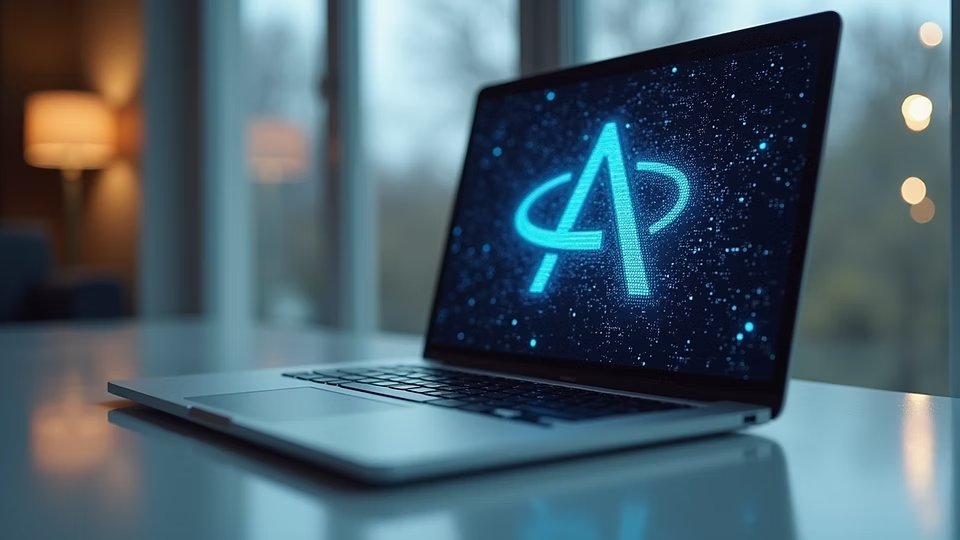
Put AI in the middle of the process, not at the start or the end. Start with the strategic question a human has to answer: who is this for, what do they currently believe, and what do we need them to believe instead? End with human judgment deciding what actually ships. In between, let AI do the heavy lifting on volume and speed — more directions, faster iterations, less time between “what if” and “here’s what that looks like.”
The brands that will feel most different from their competitors over the next few years won’t be the ones that adopted AI fastest. They’ll be the ones that kept a strong point of view at the center and used AI to get there quicker — not the ones that let the tool make the decisions a founder or a strategist should still be making.